
Get & Give Help
How you can get help and how you can help others.
Get Help
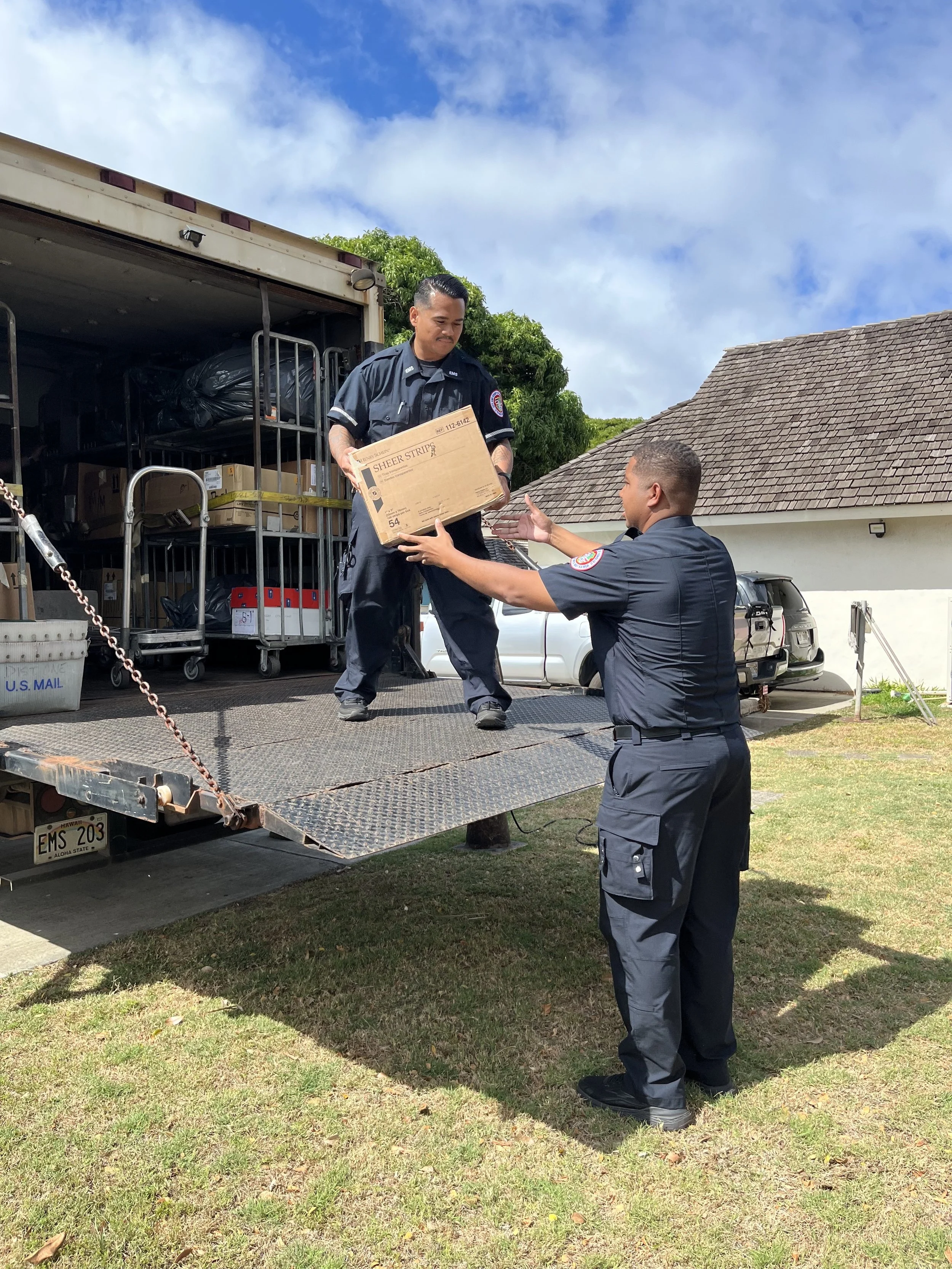
Resources for residents who have been impacted by the storm and need assistance with shelter, food, and more.
-
Call or text 1-800-985-5990.
The Disaster Distress Helpline (DDH) is the first national hotline dedicated to providing year-round disaster crisis counseling. This toll-free, multilingual, crisis support service is available 24/7 to all residents in the U.S. and its territories who are experiencing emotional distress related to natural or human-caused disasters.
Counseling Services
The helpline puts people in need of counseling on the path to recovery. When you call or text, crisis counselors listen to what’s on your mind with patience and without judgment. DDH is staffed by trained counselors from a network of crisis call centers located across the United States, who provide:
Crisis counseling for people in emotional distress related to any natural or human-caused disaster
Information on how to recognize distress and its effects on individuals and families
Referrals to local crisis call centers for additional follow-up care and support
Healthy coping tips
There is no need to give any identifying information when you contact DDH. The counselor may ask you for some basic information at the end of the call, but these questions are optional and intended to help SAMHSA keep track of the types of calls it receives.
-
Phone: (808) 836-3600
Website: https://hawaiifoodbank.org/get-help/emergency-assistance-resources/ -
Phone: (800) 733-2797
Website: http://www.redcross.org -
Phone: 211 (dial to be connected directly to Aloha United Way resources)
Website: http://www.auw211.org -
Phone: (808) 239-5777
Website: www.keyproject.org
-
Website: https://kukulu.switchboardhq.com/
-
Contact:
Address: 2100 N. Nimitz HWY, Honolulu, HI 96819
Phone Number: 808-536-7234 ext. 800
Email: cch@helpinghandshawaii.org
Website: https://www.helpinghandshawaii.org/
-
Residents impacted by flooding and severe weather who have been separated from their pets should visit the Hawaiian Humane Society’s Lost and Found Pet website and search for Pets In Community Care or Pets at Hawaiian Humane.
Pet owners should file a Lost and Found report and include a clear photo of their pet, along with any microchip number, if applicable.
If a pet is found and has a microchip, call Hawaiian Humane Dispatch at (808) 356-2250 between 6 a.m. and 9 p.m.
Food Assistance
Food Assistance Finder & Distributions
Use Hawaiʻi Foodbank’s interactive Food Assistance Finder map to find a food pantry or ʻOhana Produce Plus distribution. Food Assistance handouts are also available at the link.
Additionally, food assistance is available through The Pantry by Feeding Hawaiʻi Together, a client-choice food pantry open to anyone in need. The Pantry operates by appointment only. Visit thepantry.org to register, schedule an appointment, and select food items that best meet your household’s needs.
The City and County of Honolulu is partnering with Hawaiʻi Foodbank and community organizations to provide additional food assistance to those impacted by Tropical Storm Lala. The City is providing $200,000 to Hawaiʻi Foodbank to help source and transport food for distribution to communities across Oʻahu.
Residents are encouraged to confirm the latest distribution information with the participating organization before traveling to a site, as schedules and availability may change.
Pop-up food distributions:
Pop-ups (such as those circulating on social media) may also be available: see ʻElepaio Social Services, Chef Hui, KEY Project, and others.
Automated SNAP Mass Replacement
The State of Hawaiʻi Department of Human Services (DHS) is providing another extension of the Emergency Food Assistance.
DHS has approved an extension through September 13 for SNAP households affected by Tropical Cyclone Lala to report food losses and request replacement benefits.
Households in Hawaiʻi County, Oʻahu and West Maui (ZIP 96761) will automatically receive 45% of their August SNAP benefits, while households that lost more than 45% can apply for additional replacement benefits. SNAP households outside the automatically approved areas can also apply by submitting a signed written statement documenting their food loss.
The September 13 deadline applies statewide, giving families additional time to report food loss and request replacement SNAP benefits. Learn more via the DHS news release.
Power Outages & Internet
If you are experiencing a power outage, please be sure to always report your outage to Hawaiian Electric online or to the Trouble Line at 1-855-304-1212 (toll free) so your specific location is provided to their crew. View the O‘ahu Outage Map here. View power outage food safety tips here.
In the aftermath of Tropical Storm Lala, Starlink is providing free service through September 17 to customers in the impacted areas of Hawai‘i.
Have the recent storms caused damage to your home, land, or any structures that you own? If so, you may qualify for a remission of real property taxes through the City and County of Honolulu. Applies ONLY to real property (land and structures), and does NOT include personal property (furniture, vehicles, crops, equipment, etc.). The deadline to apply is June 30, 2027. Document thoroughly and submit early.
Remission of Real Property Taxes

Resources for Small Businesses
The City and County of Honolulu has launched Stay Open Oʻahu, a free disaster preparedness and resilience program designed to help Oʻahu small businesses prepare for disruptions, continue operating during emergencies when it is safe to do so, and recover more quickly afterward. Stay Open Oʻahu will provide practical, accessible support at every stage of a disruption, before, during and after. Resources include:
An online resource hub connecting businesses with preparedness and mitigation information, nonprofit organizations and government resources
A Business Disaster Preparedness Guidebook with easy-to-use tools and step-by-step guidance for developing a business resilience plan
Free in-person workshops offering hands-on assistance to help business owners develop preparedness and continuity plans
Access to a trusted network of community partners and City resources before, during, and after emergencies
Free workshops
Stay Open Oʻahu will host a series of free workshops across the island to guide business owners through the preparedness planning process. Small business owners, managers, and other decision-makers can register for the following sessions:
Leeward Oʻahu: Thursday, September 3, 9–11 a.m.
Windward Oʻahu: Wednesday, September 9, 9–11 a.m.
Virtual: Wednesday, September 9, 3–5 p.m.
Honolulu: Thursday, September 10, 2–4 p.m.
Central Oʻahu: Wednesday, September 23, 9–11 a.m.
North Shore: Tuesday, September 29, 1–3 p.m.
Resources for Farmers
Agriculture Stewardship Hawaiʻi: Hawaiʻi Agriculture Disaster Response Tool
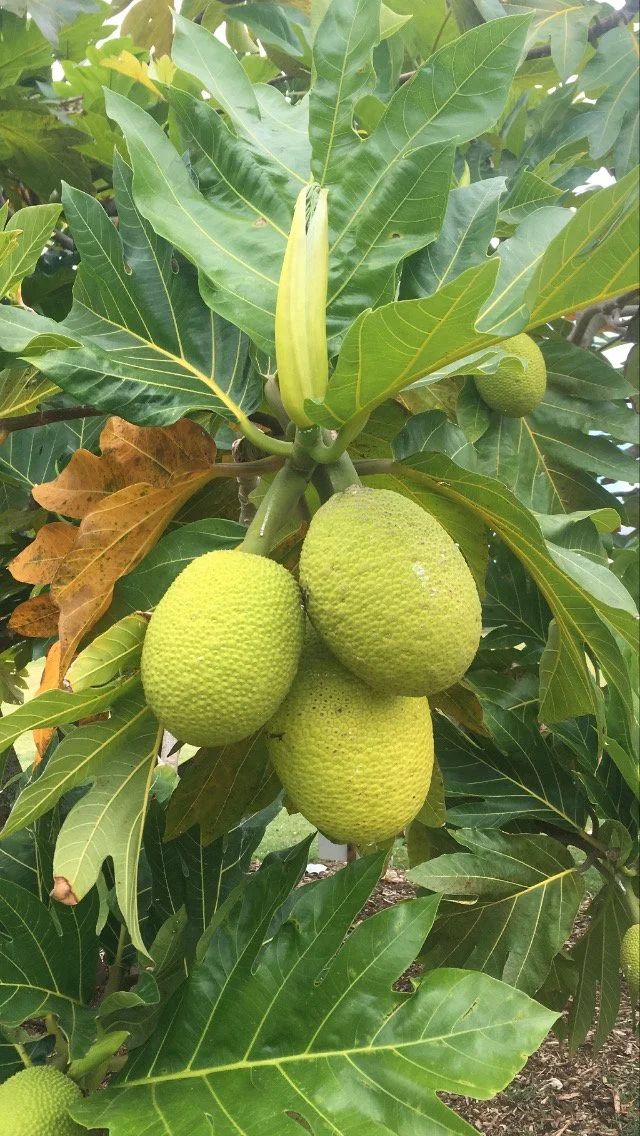
Farmers impacted by Hurricane Lala: Please submit your report for agricultural disaster impact so that data on need can be as comprehensive as possible for potential agricultural aid. Available in 12 languages.
Hawaiʻi Farm Bureau: Tips for what to document after the storm
Resources for Nonprofits
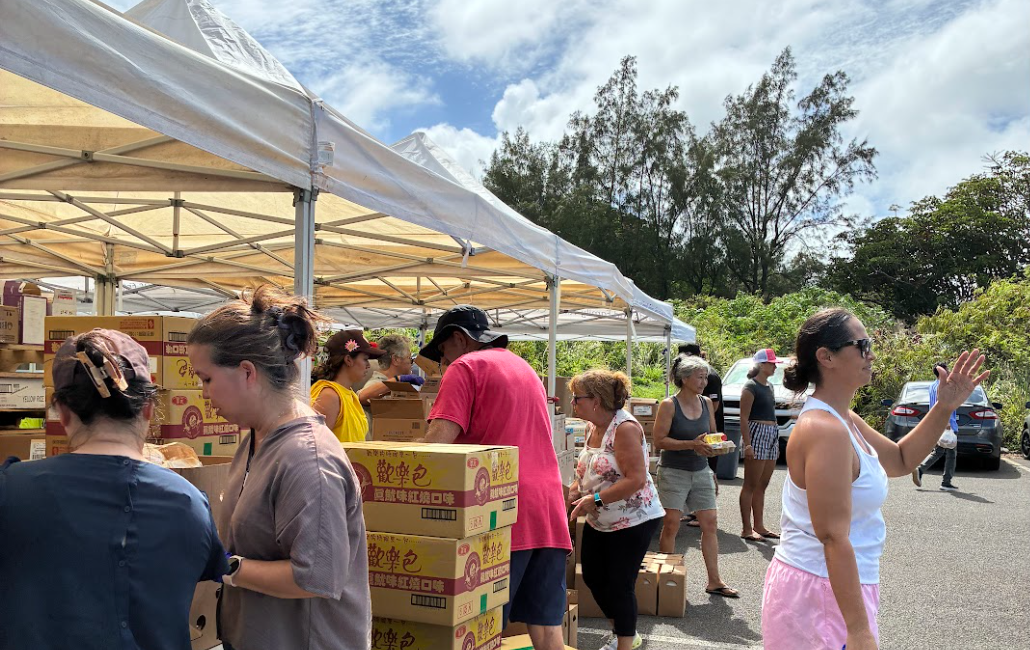
Nonprofits seeking financial support for community response and recovery efforts are encouraged to apply through the new JustFund application available through Funder Hui’s Hawai‘i Resilience & Recovery Funder Collaborative—a statewide philanthropy network of more than 35 funders—to streamline disaster giving. Nonprofits seeking recovery funding may apply through JustFund here.
Financial Donations
Financial donations to trusted non-profit partners are the most effective way to support relief efforts, as they allow organizations to quickly respond to specific and changing needs.
Other trusted non-profit and community partners supporting relief efforts
Give Help
We know many people want to help, but not all assistance sites have the capacity to sort physical items—and too often, unneeded goods end up going to waste. Financial contributions are usually the most effective form of support. Here are a few meaningful ways you can help:
Where to Volunteer
If you are interested in volunteering, consider reaching out to established service providers with strong community networks, such as:
Other trusted non-profit and community partners supporting relief efforts